
Winter Foot Care: Why Your Feet Need Extra Attention During the Colder Months
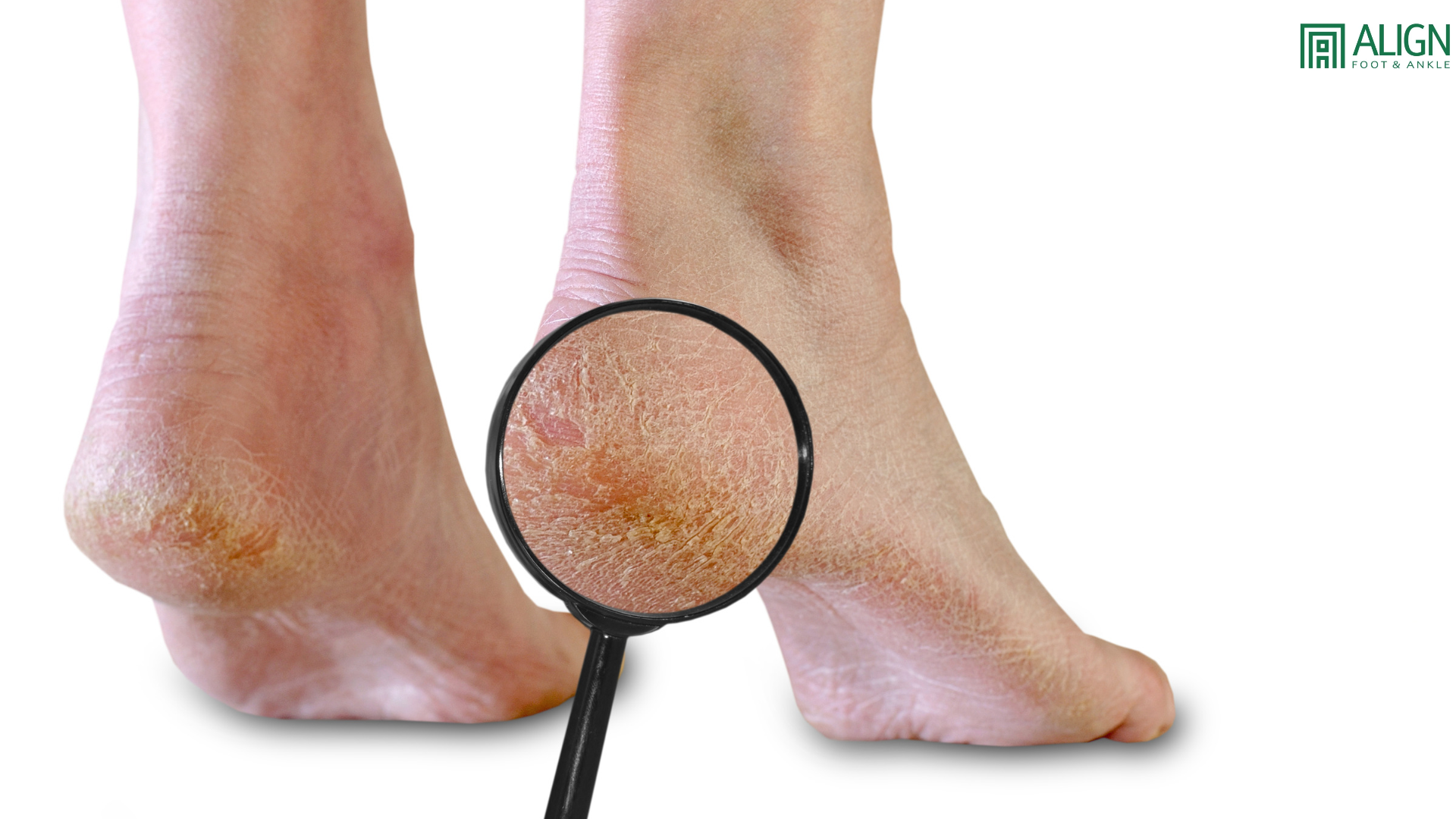
Dry, cracked heels, itchy skin, and uncomfortable feet? Winter weather may be taking a bigger toll on your feet than you realize.
When temperatures drop, we tend to focus on protecting our hands, faces, and lips from the cold. But what about our feet?
Even here in Austin, where winters are relatively mild, cooler temperatures, lower humidity, indoor heating, and changes in footwear can create the perfect conditions for dry skin, cracked heels, and other common foot problems.
At Align Foot & Ankle Clinic, we believe healthy feet deserve attention year-round. Here’s what you should know about keeping your feet comfortable, protected, and healthy throughout the winter months.
1. Dry, Cracked Heels: More Than Just a Cosmetic Concern
One of the most common foot complaints during the winter is dry, rough, or cracked skin, particularly around the heels.
As humidity decreases and indoor heating increases, the skin loses moisture more easily. Unlike other parts of the body, the soles of your feet don’t have oil glands to help keep the skin naturally lubricated.
Over time, dryness can lead to thickened calluses and painful fissures, or cracks, in the skin.
Why does this matter?
Deep heel cracks can become painful, bleed, and create openings for bacteria to enter. This is especially concerning for individuals with diabetes, neuropathy, or poor circulation.
Our winter foot care tips:
- Apply a moisturizing foot cream daily, preferably immediately after bathing.
- Look for ingredients such as urea, which helps soften thickened skin and improve hydration.
- Wear breathable socks to help protect your skin.
- Avoid walking barefoot on hard surfaces if your heels are already cracked.
- Never attempt to cut away thick calluses or cracked skin yourself.
Our product pick: Skin Integra
At Align, we offer Skin Integra as part of our professional foot care selection. Incorporating a dedicated foot moisturizer into your daily routine can help support healthier, softer skin and reduce the discomfort associated with winter dryness.
For particularly stubborn calluses or deep heel fissures, professional treatment may be necessary.
2. Hot Showers and Foot Soaks: Are You Making Dry Skin Worse?
There’s nothing quite like a hot shower or warm foot soak on a chilly day. Unfortunately, excessively hot water and prolonged soaking can strip away the skin’s natural protective oils, leaving your feet even drier.
That doesn’t mean you have to give up a relaxing foot soak entirely.
The key is choosing the right temperature, limiting soaking time, and using products specifically formulated for foot care.
Our winter foot care tips:
- Use lukewarm rather than hot water.
- Avoid prolonged soaking, especially if you have dry or cracked skin.
- Pat your feet dry thoroughly, including between your toes.
- Apply moisturizer afterward, focusing on the heels and soles.
- Avoid soaking if you have open wounds, significant neuropathy, or impaired circulation unless your physician recommends it.
Our product pick: Tolcylen Foot Soaks
For patients who enjoy incorporating foot soaks into their self-care routine, we carry Tolcylen Foot Soaks at Align.
When used according to product directions, they can be part of a relaxing foot care routine. However, soaking should complement, not replace, regular moisturizing and appropriate treatment for underlying skin conditions.
3. Winter Boots and Closed-Toe Shoes Can Create New Problems
During colder months, sandals are replaced by sneakers, boots, and thicker socks. While these help keep your feet warm, they can also create an environment where moisture, friction, and pressure become problems.
Wearing the same enclosed shoes for extended periods may contribute to:
- Athlete’s foot and other fungal skin infections
- Increased foot odor and perspiration
- Ingrown toenails from tight-fitting shoes
- Blisters, corns, and calluses
- Toenail irritation or discoloration
Our winter foot care tips:
Choose shoes with adequate toe room, rotate footwear to allow it to dry completely, and wear moisture-wicking socks.
If you notice persistent itching, peeling skin, or changes in your toenails, don’t automatically assume it’s just winter dryness. Fungal infections and other skin conditions can look similar but require different treatments.
At Align, we offer evaluation and treatment options for fungal skin and nail concerns, including professional nail care and laser-based treatments when appropriate.
4. Cold Feet Aren’t Always Just From the Weather
It’s normal for your feet to feel colder when temperatures drop. However, feet that are consistently cold, numb, discolored, or painful may indicate an underlying circulation or nerve-related issue.
Warning signs to watch for include:
- Persistent coldness in one or both feet
- Toes that turn white, blue, or unusually red
- Numbness, tingling, or burning sensations
- Pain while walking that improves with rest
- Wounds or cracks that are slow to heal
These symptoms may be associated with conditions such as peripheral artery disease (PAD), Raynaud’s phenomenon, or peripheral neuropathy.
At Align Foot & Ankle Clinic, we offer vascular assessments, including ankle-brachial index (ABI) and toe-brachial index (TBI) testing, when clinically indicated, to help evaluate circulation in the lower extremities.
Don’t dismiss persistent symptoms as simply having cold feet. Early evaluation can help identify potential problems before they become more serious.
Sudden severe pain, marked discoloration, or a foot that becomes abruptly cold requires urgent medical evaluation.
5. Don’t Forget About Your Toenails
Winter is often the season when toenail care gets neglected. After all, when your feet are tucked away in socks and shoes, it’s easy to forget what’s happening underneath.
However, winter can actually be a great time to address nail concerns.
Fungal toenails, thickened nails, and damaged nails don’t disappear just because you’re no longer wearing sandals.
And because toenails grow slowly, often around 1 millimeter per month, improving their appearance can take several months.
Our winter foot care tips:
- Trim toenails straight across without cutting them excessively short.
- Keep nails clean and dry.
- Avoid sharing nail clippers or other grooming tools.
- Address persistent discoloration, thickening, or nail separation rather than covering it with polish.
Starting an appropriate treatment plan during the winter may allow time for healthier nail growth before sandal season returns.
6. Make Winter Foot Care Part of Your Daily Routine
The good news? Keeping your feet healthy throughout the winter doesn’t require an elaborate routine.
A few consistent habits can make a meaningful difference.
Your simple winter foot care checklist:
- Morning: Inspect your feet for cracks, redness, blisters, or unusual changes.
- After showering: Dry thoroughly and apply a moisturizing foot cream to dry areas.
- Throughout the day: Wear comfortable, properly fitted shoes and clean, breathable socks.
- Evening: Reapply moisturizer to particularly dry heels and consider wearing clean cotton socks afterward.
- As needed: Schedule a professional evaluation for persistent dryness, painful calluses, nail changes, or circulation concerns.
Remember to avoid applying heavy moisturizers between the toes, where trapped moisture can contribute to skin breakdown and fungal infections.
When Should You See a Podiatrist?
Occasional dry skin is common, but certain symptoms shouldn’t be ignored.
Schedule an appointment if you experience painful or bleeding heel cracks, persistent itching or peeling, recurring calluses, toenail changes, or numbness and tingling.
If you have diabetes, neuropathy, or poor circulation, even seemingly minor skin problems deserve additional attention. Redness, drainage, spreading warmth, or an open wound should be evaluated promptly.
#AustinPodiatrist #WeekendWarrior #HealthyFeet #MovementIsMedicine
Schedule a consultation today.
Contact Align Foot & Ankle
• Phone: 512-882-4911
• Location: 1600 W 1600 W 38th St #408, Austin, TX 78731
Don’t forget to check out our socials for valuable insights and updates:
• Tiktok