
What Your Feet Can Reveal About Your Heart Health
Why Circulation in the Feet Matters More Than You Think
February is recognized as American Heart Month, a time to focus on cardiovascular health. While heart health is often associated with chest pain or blood pressure, one of the first places circulation problems can appear is in the feet.
Because the feet are farthest from the heart, they are especially sensitive to changes in blood flow. Subtle symptoms in the feet can sometimes signal underlying vascular concerns that deserve attention.
Here’s what to look for — and why it matters.
Cold Feet That Don’t Warm Up

Occasional cold feet during winter are common. However, persistently cold feet — especially when others feel comfortable — may indicate reduced circulation.
When blood flow is limited, tissues in the feet receive less oxygen and nutrients. Over time, this can affect skin health, wound healing, and overall tissue resilience.
Swelling in the Feet and Ankles
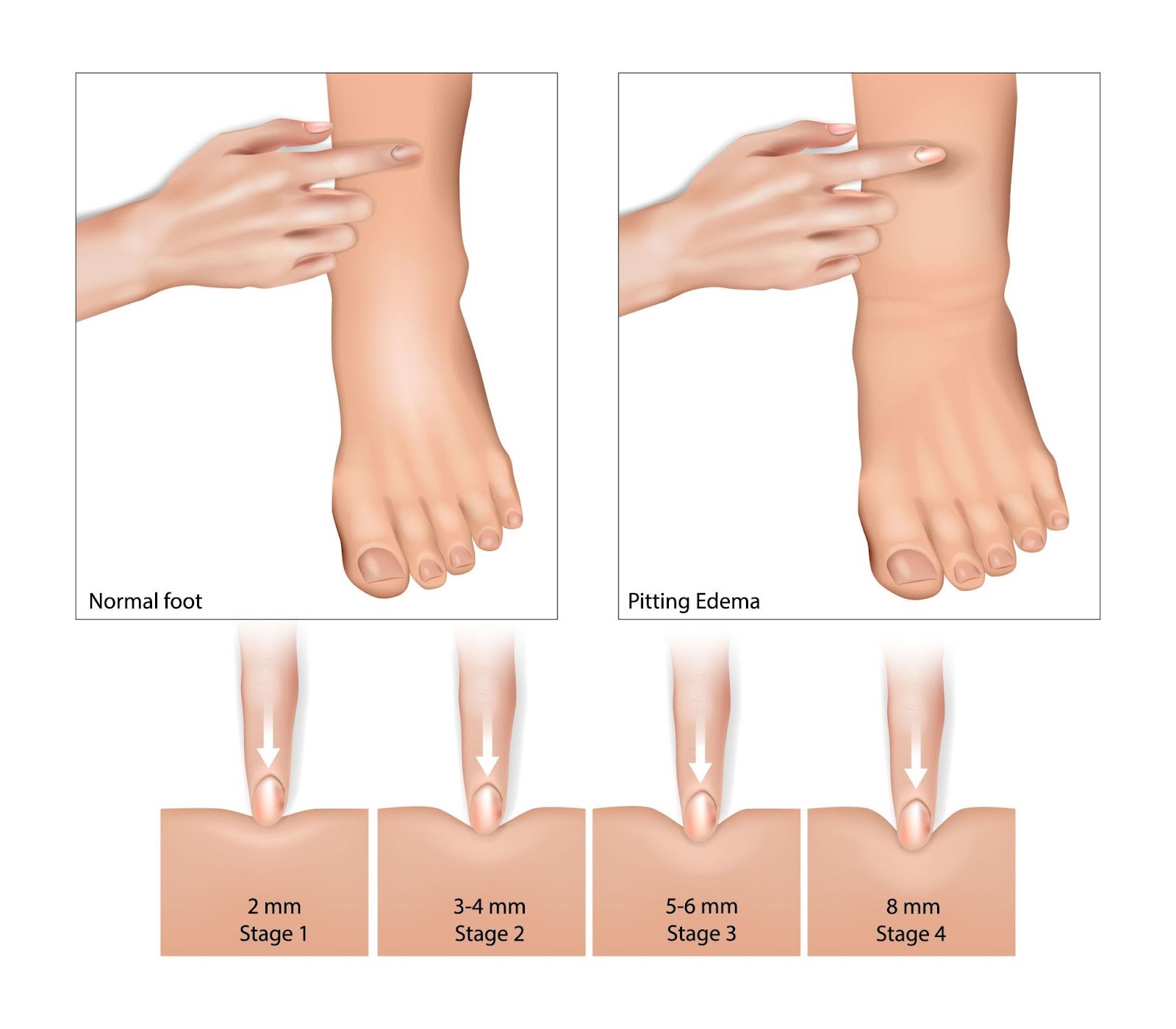
Mild swelling after a long day can be normal. But consistent or worsening swelling in the feet and ankles may reflect fluid retention related to circulation.
When the vascular system is not functioning efficiently, fluid can accumulate in the lower extremities. Persistent swelling should be evaluated, particularly if it is new or accompanied by discomfort.
Slow-Healing Cuts or Sores
Healthy blood flow supports tissue repair. If minor cuts, blisters, or cracks in the skin take longer than expected to heal, circulation may be a contributing factor.
This is especially important for patients with diabetes, where vascular changes and nerve involvement can increase the risk of complications.
Early intervention significantly reduces the likelihood of more serious issues.
Discoloration in the Toes
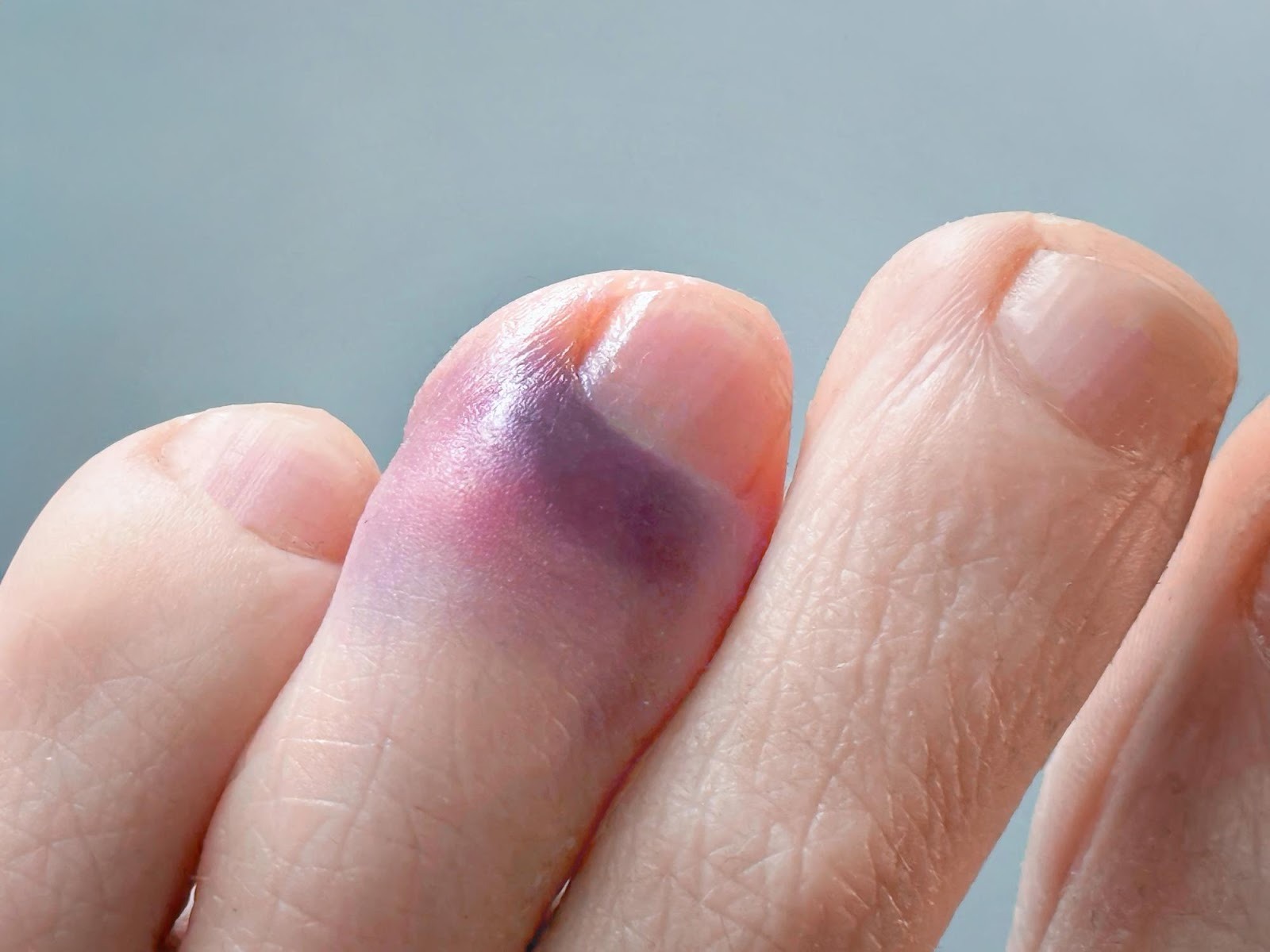
Color changes — such as pale, bluish, or unusually red toes — may indicate altered blood flow.
Peripheral artery disease (PAD), a condition involving narrowed arteries, often presents first in the lower extremities. Symptoms may include:
- Cramping in the calves during walking
- Weak or absent pulses in the feet
- Temperature differences between feet
Identifying these signs early can lead to timely referral and treatment.
Why a Foot & Ankle Evaluation Matters
As specialists in the lower extremities, podiatrists are often among the first providers to detect signs of vascular compromise.
A comprehensive foot and ankle evaluation can assess:
- Skin integrity
- Circulatory status
- Wound healing patterns
- Structural and biomechanical factors
- Risk for complications
When needed, collaboration with primary care physicians or cardiology specialists ensures coordinated care.
Protecting Your Circulation Starts at the Ground Level
Maintaining healthy circulation supports not only your feet, but your overall mobility and long-term health.
You may benefit from an evaluation if you notice:
- Persistent coldness in the feet
- Ongoing swelling
- Non-healing wounds
- New discoloration
- Pain in the calves while walking
Small changes — including early assessment, appropriate footwear, compression strategies, or vascular referral — can prevent more serious complications later.
Final Takeaway
Heart health and foot health are closely connected.
Because the feet reflect changes in circulation early, paying attention to subtle symptoms can make a meaningful difference.
At Align Foot & Ankle, we understand that the health of your feet can reflect larger vascular and circulatory issues. During a comprehensive foot and ankle evaluation, our team assesses circulation, skin integrity, wound healing, and structural balance to identify early signs of compromised blood flow.
When indicated, we perform Ankle-Brachial Index (ABI) and Toe-Brachial Index (TBI) testing in the clinic. These non-invasive diagnostic exams measure blood flow in the lower extremities and help detect peripheral artery disease (PAD) and other vascular concerns early. Identifying reduced circulation allows for timely intervention and appropriate coordination of care.
In addition to diagnostic evaluation, we utilize non-invasive regenerative treatments designed to support tissue healing and improve circulation. Class IV laser therapy and shockwave therapy can stimulate cellular activity, enhance blood flow, and promote tissue repair. We also recommend photobiomodulation (red light therapy) to further support circulation and recovery, and we carry RedVive red light panels in clinic for patients seeking at-home support as part of their treatment plan.
If concerns are identified, we tailor a personalized plan that may include advanced wound care, diabetic foot management, pressure offloading with custom orthotics, regenerative therapies, or referral for further vascular evaluation when necessary. Our goal is to protect tissue health, improve circulation, and preserve long-term mobility.
Schedule a consultation today.
Contact Align Foot & Ankle
• Phone: 512-882-4911
• Location: 1600 W 1600 W 38th St #408, Austin, TX 78731
Don’t forget to check out our socials for valuable insights and updates: